.png)


Posadas Begin: A Spiritual Preparation for Christmas


Monday, the 16th, marked the formal beginning of the traditional posadas, also known as the novena, in anticipation of the birth of the Child Jesus.
The posadas are a tradition rooted in the Hispanic community that dates back to the 16th century, during the evangelization of the Americas. They are both a religious and cultural celebration, traditionally held from December 16 to 24, as a special preparation for Christmas.
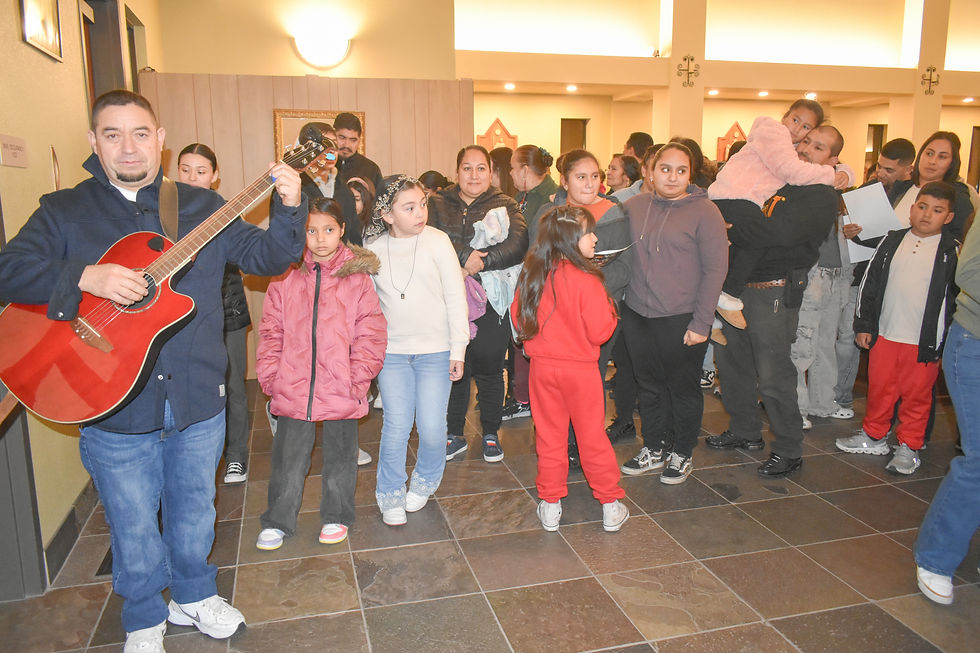
These celebrations include the praying of the Rosary, the singing of Christmas carols, and the reenactment of Mary and Joseph’s journey as they searched for lodging for the birth of the Son of God. In some communities, a pastorela is also presented, in which—often in a lighthearted and humorous way—the story is told of how the devils attempt to prevent men and women of good will from coming together to celebrate the birth of the Child Jesus in Bethlehem.

As part of the tradition, treat bags are distributed, and piñatas are broken, which traditionally have seven points, representing the seven deadly sins. When the piñata is broken, the fruit and candy inside are shared, symbolizing God’s grace and His gifts.


Comments