.png)


From Hosanna to the Resurrection: The Journey of Holy Week

By Deacon Salvador Carranza
Palm Sunday
We begin with the triumphant entry of Jesus into Jerusalem, riding on a donkey. We cry out, "Hosanna!" ("Save us, we beg you"). This plea for deliverance turned into a cry of praise. Shortly thereafter, the atmosphere shifts dramatically toward the Passion. This contrast serves as a mirror for the human heart, reflecting how quickly we can shift from devotion to denial.

The Easter Triduum (from the Latin "triduum," meaning "a period of three days")
It is considered a single celebration spanning three calendar days. There is no final blessing on Holy Thursday or Good Friday. Instead, the celebrations pause and then resume. This structure invites believers to "watch and pray" with Christ throughout his passion, death, and resurrection.


Holy Thursday (Day 1):
The Easter Triduum begins with the Mass of the Lord's Supper. During this celebration, we commemorate the institution of the Eucharist and the priesthood. We also recall the washing of the feet, through which the Lord teaches us that leadership and faith must be grounded in service and humility toward others.
Holy Thursday symbolizes the self-sacrificing love of Jesus Christ, who formed an everlasting connection with his disciples by turning a meal of service into a divine sacrifice that nourishes the soul and encourages a life of humble charity toward others.
Good Friday (Day 2):
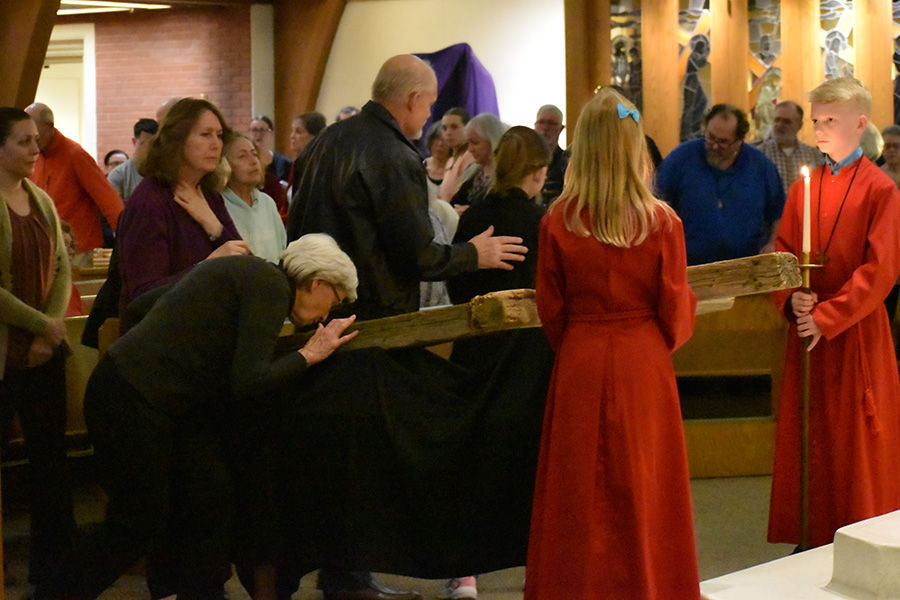
This solemn day of prayer and fasting centers on the crucifixion and death of Jesus. Mass is not celebrated; instead, the Celebration of the Lord’s Passion takes place. This celebration typically includes the reading of the Passion and veneration of the cross.
Good Friday represents the supreme act of divine love and sacrifice. The death of Jesus Christ is seen as the necessary atonement for the sins of humanity, achieving reconciliation with God.

Holy Saturday (Day 3):
Holy Saturday begins as a day of quiet reflection on Jesus’s burial. After sunset, the Easter Vigil begins—the "high point" of the Easter Triduum—and celebrates Christ's victory over death.
Easter Sunday
Easter Sunday symbolizes the triumph of life over death and the fulfillment of God’s promise through the resurrection of Jesus Christ. It offers believers a sense of spiritual renewal and the hope of eternal life.
"He is not here; he has risen, just as he said" (Matthew 28:6).


Comments